China Top Conveyor Systems Limited for Global Buyers?
China has become a major sourcing base for conveyor equipment, but low price alone cannot define a reliable supplier. Grand View Research valued the global conveyor systems market at approximately USD 10.6 billion in 2023. It also projects continued growth through 2030, supported by warehousing, e-commerce, mining, and manufacturing demand. These figures show opportunity. They do not guarantee performance.
For global buyers, Conveyor Systems Limited should mean more than a product catalogue. It should reflect engineering capability, documented testing, export experience, and responsive after-sales support. A practical evaluation starts with belt width, load weight, speed, incline angle, ambient temperature, and control requirements. Ask for drawings, motor details, safety provisions, and factory inspection evidence. Do not ignore spare parts. A delayed sensor can stop an entire packing line.
R. Todd Swinderman, a recognized conveyor-safety specialist, has emphasized, “Conveyor safety is a system, not a single component.” That principle also applies to international purchasing. A frame may look strong while its tracking, guarding, or control logic remains weak. MHI’s 2024 industry research reported continued investment in automation, yet many companies still struggle with integration and labor availability. China’s manufacturers can offer customization and competitive production capacity. Some can provide excellent results. Others may overpromise. That uncomfortable difference deserves careful verification.
The strongest buying decision combines supplier audits, reference projects, transparent specifications, and realistic lifecycle costing. A quotation is only the beginning. Performance is the evidence.

Company Profile and Business Scope of China Top Conveyor Systems Limited
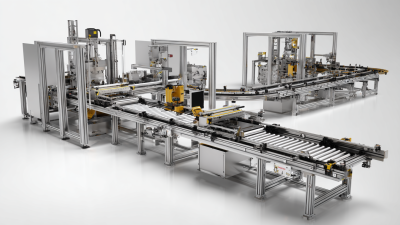
A China-based conveyor systems supplier typically serves material handling projects across factories, warehouses, ports, and processing facilities. Its business scope may include belt conveyors, roller conveyors, screw conveyors, modular systems, frames, drives, and control components. The company profile should explain its engineering capacity, production process, export experience, and after-sales support clearly.
Practical experience matters in this field. A capable supplier studies material weight, belt speed, transfer height, loading conditions, and working temperature before preparing a proposal. Engineers may review layout drawings and suggest suitable motor power, belt width, guarding, and maintenance access. Factory inspection should include welding quality, pulley alignment, belt tracking, and electrical testing. Small details often decide whether a line runs smoothly.
The supplier may support custom fabrication for different industries and site conditions. It can also provide installation guidance, spare parts, technical documents, and operator instructions. However, buyers should not rely on catalog descriptions alone. Capacity claims, delivery schedules, certifications, and warranty terms need written verification. Some projects may also reveal weaknesses after installation, especially when dust, moisture, or uneven loading was underestimated. A reliable business profile should acknowledge these risks and explain how the company handles design changes, quality complaints, and replacement parts. Clear communication remains essential when equipment crosses borders and enters unfamiliar production environments.
Conveyor Systems and Material Handling Solutions Offered
China Top Conveyor Systems Limited for Global Buyers?
Conveyor systems support steady movement across warehouses, factories, distribution centers, and loading areas. Belt, roller, chain, accumulation, and sortation conveyors suit different loads and operating speeds. Grand View Research projects the global conveyor belt market will grow at about 4.5% annually through 2030. This growth reflects stronger demand for faster, more predictable material handling.
A reliable solution starts with the product, not the catalog. Engineers should check load weight, package dimensions, belt speed, incline, dust exposure, and shift hours. A small parcel may need powered rollers, while heavy cartons often require stronger belt structures. MHI’s 2024 industry report shows that many supply-chain organizations continue increasing automation investment. Yet automation without proper layout planning can create bottlenecks. That mistake is common, and expensive.
Tips: Request a layout drawing, motor details, safety documentation, and tested capacity before ordering. Ask how quickly spare parts can arrive. Confirm electrical standards for the destination country. Also inspect guarding, emergency stops, noise levels, and cleaning access. A conveyor may look efficient during a factory visit, but real performance depends on maintenance discipline. Leave room for future expansion. It is easy to underestimate it.
China Top Conveyor Systems Limited for Global Buyers? — Conveyor Systems and Material Handling Solutions Offered
Representative operating-speed benchmarks for commonly used conveyor technologies. Actual performance depends on load, layout, product dimensions, incline, safety requirements, and control configuration.
Values shown are practical engineering reference points in metres per minute and should be validated during system design and commissioning.
Manufacturing Standards, Quality Control, and Technical Capabilities
China Top Conveyor Systems Limited for Global Buyers?
Manufacturing Standards, Quality Control, and Technical Capabilities
Global buyers should assess conveyor suppliers through documented standards, not attractive catalogs. ISO 9001-based quality systems can control purchasing, assembly, inspection, and corrective actions. Conveyor designs should also reference ISO 5048 for capacity calculations and ISO 14890 for belt specifications. These details matter when systems operate continuously in dusty warehouses or cold storage rooms.
The MHI 2024 Annual Industry Report found that 55% of supply-chain professionals planned to increase technology investment. This trend raises expectations for sensors, variable-speed drives, remote diagnostics, and energy monitoring. A capable manufacturer should provide load calculations, motor selections, tolerance records, and factory acceptance testing. I have found that clear test records often reveal more than polished presentations. Still, documentation can be incomplete. Buyers should verify every critical claim.
Tips:
Request sample inspection reports, material certificates, weld photos, and a component traceability list. Ask how the supplier measures belt tension and alignment. Confirm testing under your actual load, speed, temperature, and duty cycle. A small pilot line may expose design weaknesses early. It costs time, but not as much as a failed installation. Check spare-part availability and technical response times before signing. Data from the 2023 Global State of Quality Report also highlights the value of measurable quality processes, although supplier comparison remains imperfect across regions.
Supplier Evaluation Factors for International Conveyor System Buyers
China’s conveyor systems attract global buyers because they combine manufacturing scale with flexible customization. Yet supplier evaluation needs more than a low quotation. Grand View Research estimated the global conveyor system market at about USD 10.85 billion in 2023, with a projected 5.9% CAGR through 2030. The opportunity is real. So is the risk.
Check engineering depth before discussing price. Request load calculations, belt speed ranges, motor efficiency data, guarding drawings, and spare-parts lists. A reliable supplier should provide material certificates, inspection records, and clear change-control procedures. ISO 9001 certification can support process consistency, but it does not replace a factory audit. Ask to witness a full-load factory acceptance test. Watch the emergency stops, tracking, noise, and transfer points.
Documentation matters across borders. Confirm electrical standards, language requirements, installation instructions, and local service coverage. Compare warranty terms by component, not only by project. Fortune Business Insights estimated a smaller global market value, about USD 6.93 billion in 2024, and noted different growth assumptions. The gap shows how market definitions affect decisions. Buyers should question every forecast.
A video call is not enough.
Request references from similar climates, loads, and operating hours. Review response times for breakdowns and confirm who carries critical spares. In practice, polished drawings can hide weak commissioning support. That is an uncomfortable detail, but it deserves attention. A supplier’s willingness to disclose test failures may reveal more than a perfect sales presentation.