How to Choose the Best Industrial Conveyor Systems for Your Needs?
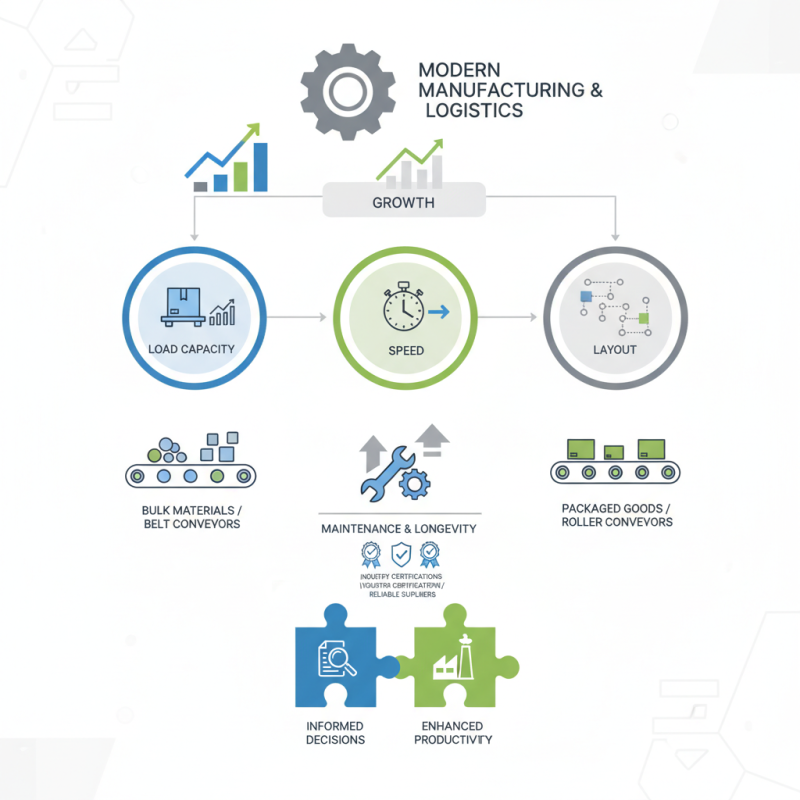
Industrial Conveyor Systems are essential for modern manufacturing and logistics operations. According to a report by MarketsandMarkets, the global conveyor systems market is projected to reach USD 8.2 billion by 2026, growing at a CAGR of 4.5%. This growth reflects the increasing automation and efficiency needs across industries. Choosing the right conveyor system involves assessing factors like load capacity, speed, and layout.
Consider your specific operational requirements. Not all systems are created equal. For example, belt conveyors are ideal for transporting bulk materials, while roller conveyors suit packaged goods. Misunderstanding these differences can lead to inefficient operations and increased costs. Many businesses overlook maintenance aspects, which can also impact system longevity.
Evaluating suppliers is crucial. Look for industry leaders with proven track records in reliability. Analyze their offerings based on your unique manufacturing needs. Additionally, industry certifications can provide insights into a supplier's competence. Making informed decisions today will enhance productivity tomorrow.
Understanding Your Operational Requirements for Conveyor Systems
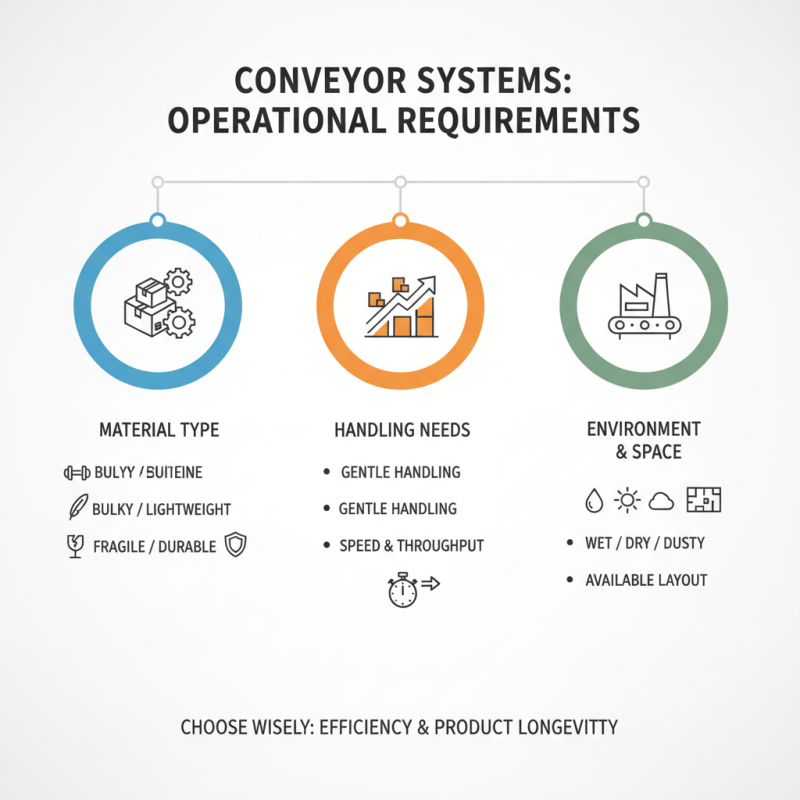
When selecting an industrial conveyor system, understanding your operational requirements is vital. Start by assessing the types of materials you handle. Are they bulky or lightweight? Do they require gentle handling? Knowing the physical characteristics of your products can guide you toward the right conveyor design. For instance, a system designed for heavy loads may not be suitable for fragile items, highlighting the need for careful consideration.
You should also think about the layout of your workspace. Space constraints may limit your choices. A narrow aisle may require a compact conveyor system. Additionally, consider the flow of your operations. Does your process require continuous movement, or do you need flexibility for batch handling? These factors can impact the efficiency and productivity of your operations.
Don’t overlook maintenance needs. A reliable system minimizes downtime but often requires regular checks. How easy is it to access critical parts for maintenance? Reflecting on these questions will help you choose a system that aligns with your long-term goals. Your investment should meet current demands and adapt to future changes.
Evaluating Different Types of Conveyor Systems Available in the Market
When evaluating different types of conveyor systems available in the market, it’s crucial to consider key factors. Each system has distinct features suited for specific applications. Think about the materials being transported. Lightweight items may require one type, while heavy loads demand a sturdier design. Analyzing the environment is equally important. Dusty, wet, or corrosive settings might limit options.
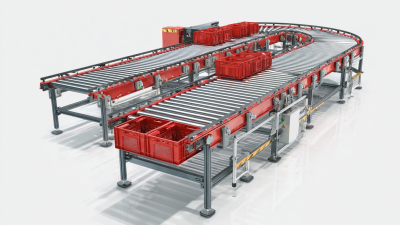
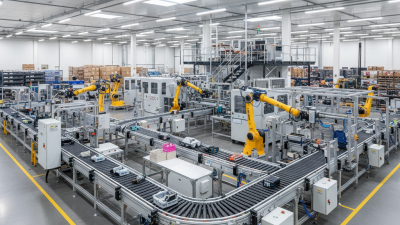
Belt conveyors are frequently used in various industries. They are versatile and efficient but might have limitations in incline transportation. Roller conveyors, on the other hand, excel with heavy goods but require more floor space. Automated systems provide efficiency yet can be costly and complex. Examine the total costs of ownership, including maintenance.
Listening to feedback from users is invaluable. They highlight potential issues that articles often overlook. Remember, flexibility is vital. An ideal system adapts to changing production demands. Don’t be swayed solely by sleek designs or fancy features. Evaluate performance against your actual needs. A system that excels on paper may falter in real-life applications.
How to Choose the Best Industrial Conveyor Systems for Your Needs?
| Type of Conveyor |
Load Capacity (lbs) |
Speed (ft/min) |
Best Use Case |
Maintenance Level |
| Belt Conveyor |
2000 |
75 |
Material Handling |
Low |
| Roller Conveyor |
1500 |
50 |
Packaging & Assembly |
Medium |
| Screw Conveyor |
3000 |
30 |
Bulk Material Handling |
High |
| Chain Conveyor |
4000 |
60 |
Heavy Loads |
Medium |
| Magnetic Conveyor |
1000 |
40 |
Metal Items |
Low |
Key Features and Specifications to Consider in Conveyor Selection
When selecting the right industrial conveyor system, several key features and specifications come into play. Understanding your specific needs is vital. Consider the load capacity required for your operation. This will directly affect the type of conveyor you choose. A system must handle both the weight and the dimensions of your items efficiently.
Another critical consideration is the conveyor speed. Different applications demand varying speeds. Ensure the selected system matches your production pace. Compatibility with other machinery also matters. Assess how the conveyor integrates with your existing setup to prevent workflow disruptions.
Tips: It’s essential to evaluate the maintenance requirements of different systems. Some may need regular downtime for servicing. Think about the long-term costs associated with upkeep. Additionally, consider the environmental conditions of your workspace. Dusty or humid conditions may require more robust designs. Always reflect on these aspects to ensure sustainability in your operations.
Assessing Costs and Budget Considerations for Conveyor System Choices
When assessing costs for industrial conveyor systems, it’s crucial to evaluate both initial and long-term expenses. The initial investment can vary widely depending on system size, complexity, and features. Consider how these factors align with your operational needs. For instance, a simple belt conveyor may cost less upfront but could incur higher maintenance costs in the future.
Tips: Always account for set-up costs. These can add up quickly. Budget for potential training expenses. Your workforce needs to operate and maintain the system efficiently.
Be cautious about hidden costs, such as energy consumption. Some systems may seem affordable but can lead to high utility bills. Look for energy-efficient options. They might require a larger upfront investment but can save money over time.
Tips: Conduct a return on investment analysis. This helps gauge the system's efficiency and longevity. Regularly review your budget allocation. If you find yourself over-budget, reconsider your conveyor choices. Strive for a balance between quality and affordability.
Cost Comparison of Different Industrial Conveyor Systems
This chart presents a cost comparison of different types of industrial conveyor systems. Each type of conveyor has different installation and maintenance costs, allowing businesses to assess which option aligns with their budget and operational needs.
Maintenance and Support Services for Industrial Conveyor Systems
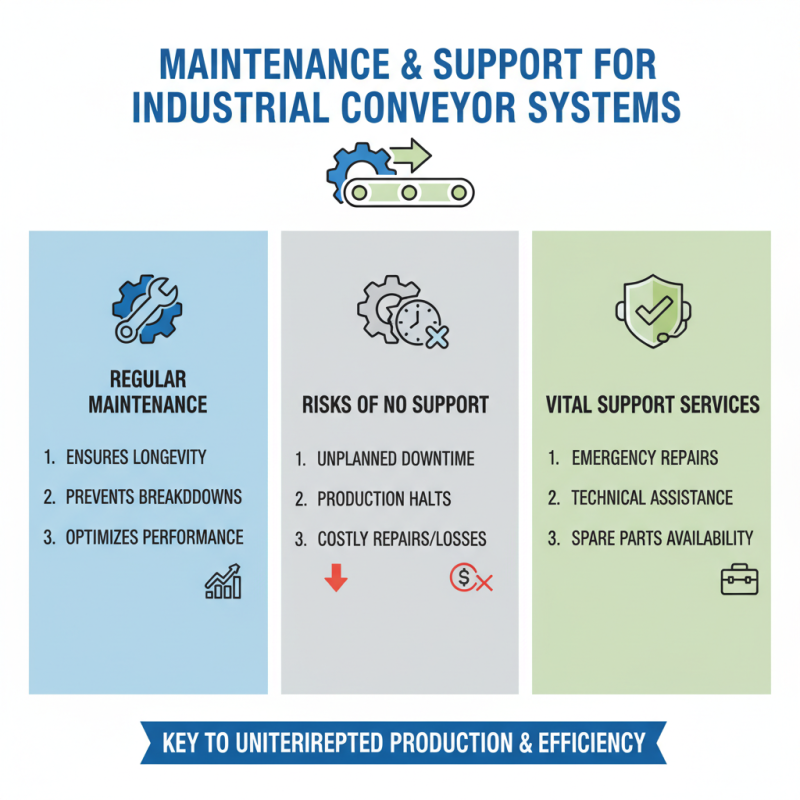
When selecting industrial conveyor systems, maintenance and support services play a vital role. Regular maintenance ensures the longevity of the conveyor, preventing unexpected breakdowns. If equipment fails, it can halt production, leading to costly downtime. Thus, understanding the support services available is essential.
Tips for ensuring reliable support:
- Choose companies that offer 24/7 service.
- Inquire about preventive maintenance plans.
- Assess their response time to service calls.
Good communication with your support team is crucial. You need to feel confident in their expertise. Regular training for staff on system use can also improve maintenance outcomes. However, not all service providers are equal. Some may fail to deliver timely or effective solutions. This inconsistency can cause frustration and lead to more operational issues. Always evaluate past performance and customer feedback when choosing a provider.