Top Tips for Choosing Intelligent Conveyor Systems?
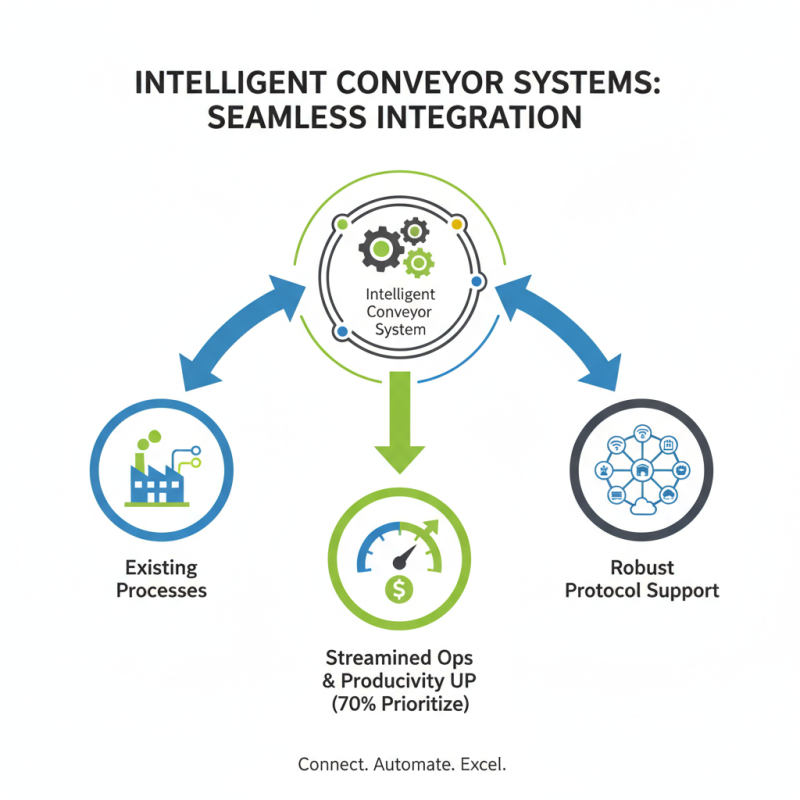
In today's rapidly evolving industrial landscape, Intelligent Conveyor Systems play a crucial role in enhancing operational efficiency. These systems integrate advanced technology, allowing for automated material handling and improved workflow management. When selecting the right system, it’s vital to consider several factors that can significantly impact productivity.
Understanding the specific needs of your operations is essential. Every business is unique, and so are its requirements. Take time to evaluate the volume of goods and the types of materials handled. Additionally, reliability stands out as a key concern. A breakdown can lead to costly downtime.
Investing in Intelligent Conveyor Systems brings numerous benefits, but not all systems are created equal. Look for providers with proven expertise and robust support. Authentic reviews and case studies can offer insights into their performance. Keep in mind, an informed choice fosters long-term success and operational growth. Embrace the change, but approach it wisely.

Understanding Intelligent Conveyor Systems and Their Benefits
Intelligent conveyor systems revolutionize material handling in various industries. They integrate advanced technologies such as sensors, AI, and automation. These features enhance operational efficiency and accuracy, reducing manual intervention.
With intelligent conveyor systems, businesses can optimize workflows. Real-time data analytics allow for immediate adjustments based on demand. This responsiveness helps to minimize downtime. However, implementation is not without challenges. Integrating these systems requires significant investment and training.
Understanding the benefits is essential. They provide scalability, allowing operations to grow seamlessly. Additionally, they enhance safety by reducing human errors. Companies need to carefully assess their specific needs. This process ensures that the chosen system fully supports operational goals. Thoughtful consideration will lead to significant long-term gains.
Top Tips for Choosing Intelligent Conveyor Systems
| Feature |
Description |
Benefits |
| Automation Integration |
Allows seamless integration with existing automation systems. |
Increases efficiency and reduces the need for manual labor. |
| Real-Time Monitoring |
Provides live data on conveyor performance and product flow. |
Enables quick decision-making to address issues as they arise. |
| Flexibility |
Easily adaptable to changing product types and sizes. |
Reduces downtime and enhances production capability. |
| Energy Efficiency |
Designed to optimize power consumption. |
Lowers operational costs and carbon footprint. |
| Safety Features |
Incorporates sensors and emergency stops to protect workers. |
Improves workplace safety and reduces liability risks. |
Key Factors to Consider When Selecting Conveyor Technologies
Choosing an intelligent conveyor system involves several key factors. Efficiency is crucial. The system should reduce downtime and maximize throughput. Look for features that support predictive maintenance. This analytics-driven approach can help prevent unexpected failures.
Flexibility is another important aspect. The best systems adapt easily to changing production requirements. They should handle various product sizes and weights without compromising performance. Design aesthetics also matter. A system that integrates well with your workspace enhances the overall environment.
Cost is a major consideration. While investing in advanced technology is beneficial, ensure you analyze the long-term value. Cheaper options may lead to higher operational costs later. Also, consider the complexity of installation and support needed. Not all high-tech systems come with easy integration. Reflect on the training requirements for your team. A system that requires extensive training may disrupt initial operations.
Top Tips for Choosing Intelligent Conveyor Systems
Assessing Workflow and Space Requirements for Conveyor Systems
When assessing workflow and space requirements for conveyor systems, start with a detailed analysis of your operations. Observe how materials move through your facility. Identify bottlenecks that slow down processes. Consider peak times when workflow surges. This information will guide you in selecting an optimal conveyor system.
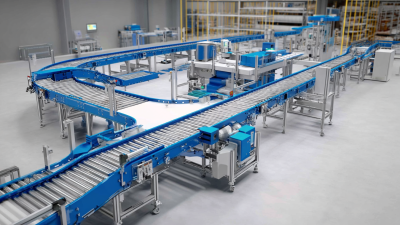
Next, focus on the physical space available. Measure floor space and ceiling height. Ensure there is enough clearance for the conveyor's operation and maintenance. If your facility is crowded, a multi-tier system could be beneficial. Explore how curves or inclines might save space while maintaining efficiency. Always allow for flexibility in your layout, as future changes in workflow may require adjustments.
Always remember that choosing the right conveyor system is an investment. A system that fits your current needs might not serve well in the long run. Regularly re-evaluate your workflow and space utilization. This can prevent issues that emerge from neglecting evolving operational requirements. Keeping an eye out for this can enhance system reliability and efficiency.
Evaluating Cost vs. Performance in Intelligent Conveyor Solutions
When evaluating intelligent conveyor systems, cost and performance are often at the forefront of decision-making. Studies have shown that automation can reduce operational expenses by up to 30%. However, the initial investment in advanced conveyor technology can be significant. It’s vital to balance these factors to achieve optimal efficiency.
Intelligent conveyor solutions come equipped with features like real-time monitoring and predictive maintenance. These capabilities can lower downtime by 20% to 50%. Yet, the complexity of these systems may lead to unexpected challenges. Proper training and integration processes are essential to maximize benefits. Companies often underestimate these aspects, which can lead to unsatisfactory results.
Moreover, an analysis by the Material Handling Industry of America indicates that investing in smart conveyor systems can yield a return on investment within three to five years. However, inadequate planning and rushed implementations may hinder performance. It is crucial to assess not only the technology but also the infrastructure and workforce readiness before proceeding. Considerations that align with your operational goals will help ensure success in adopting intelligent conveyor systems.