How to Choose the Best Conveyor Manufacturing Solutions?
Choosing the right conveyor manufacturing solution is crucial for operational success. The right conveyor system can enhance efficiency and productivity in any facility. However, the selection process can also be overwhelming. Many manufacturers offer a wide array of options. Understanding the specific needs of your business is vital.
Experience plays a significant role in making the right decision. Companies with expertise in conveyor manufacturing can provide valuable insights. They understand industry standards and best practices. A reliable partner will assess your requirements thoroughly. They will guide you through the various types of systems available.
It’s essential to reflect on your facility's unique challenges. What are the specific materials you need to handle? Consider the size and scope of your operations. Investing in a suitable conveyor system can yield long-term benefits. However, if chosen poorly, it may lead to inefficiencies and operational issues. Careful evaluation will help in making an informed choice.
Understanding Different Types of Conveyors and Their Applications
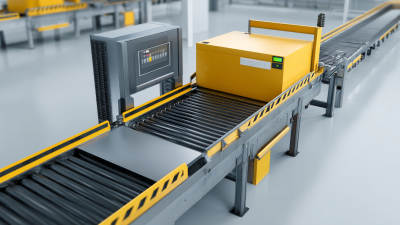
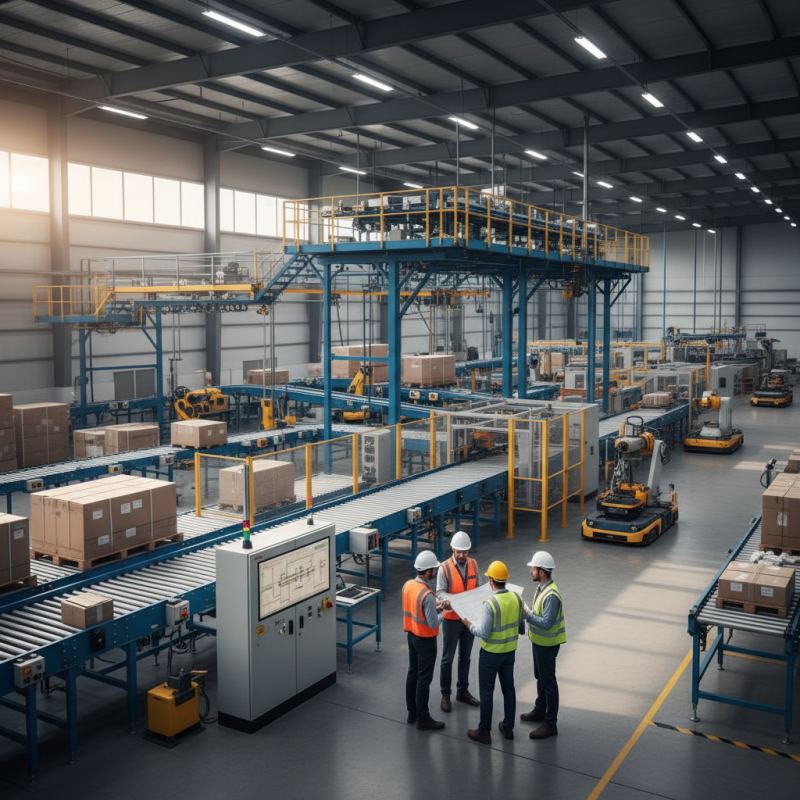
When choosing a conveyor system, understanding the different types is crucial. Conveyor solutions vary depending on the application. There are belt conveyors, roller conveyors, and screw conveyors, each with unique advantages. For instance, belt conveyors are efficient for transporting bulk materials. They can handle heavy loads and are suitable for long distances.
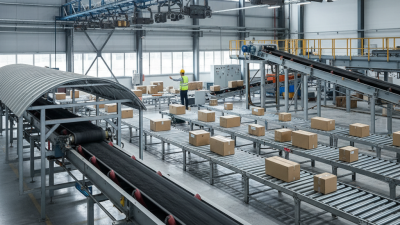
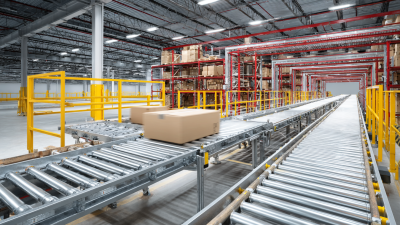
Roller conveyors excel in handling boxes and pallets. They are often used in warehouses due to their flexibility and speed. According to a 2022 industry report, roller conveyors have seen a 15% increase in adoption among e-commerce businesses. This highlights their growing importance in logistics.
Screw conveyors are best for moving granular or powdery materials. Their design minimizes spillage and offers a safe transport method, especially in food processing sectors.
It is important to recognize that not all conveyors fit every operation. The wrong choice can lead to inefficiencies and increased costs. A recent study found that 30% of companies report selecting the wrong conveyor type led to operational setbacks. Evaluating the materials you move and the available space can help ensure the right fit. Each conveyor type presents unique limitations. It's essential to investigate these carefully.
Evaluating Conveyor Manufacturing Companies: Key Criteria and Metrics
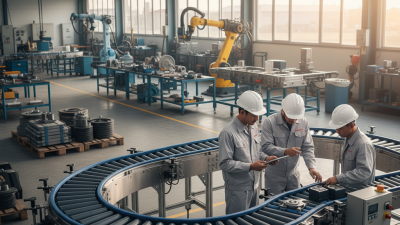
When evaluating conveyor manufacturing companies, it's crucial to consider key criteria that reflect their expertise and reliability. Experience in the industry often correlates with quality. Companies with more than a decade of experience typically have refined processes. According to recent industry reports, over 70% of successful manufacturers cite experience as a top factor in their selection process.
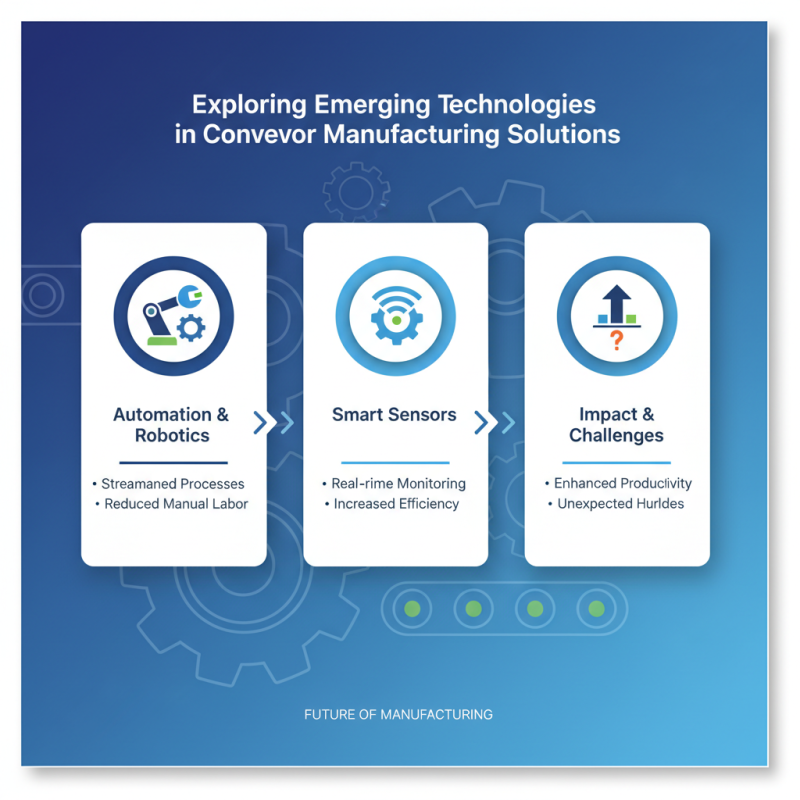
Another essential metric is technology adoption. The conveyor manufacturing sector is rapidly evolving, with automation and AI playing significant roles. Firms that utilize advanced technologies can enhance efficiency and reduce operational costs. Data indicates that automated systems can increase throughput by up to 30%. However, some companies may prioritize lower costs over technological upgrades, potentially impacting quality.
Customer reviews and case studies also provide insight into a company's dependability. Research shows that 90% of buyers read reviews before making decisions. Genuine feedback reveals weaknesses in customer service or product performance. It’s essential to reflect on these metrics to ensure the selected company aligns with your operational goals. The chosen partner must not only meet current needs but also adapt to future challenges.
Assessing Material Handling Needs for Optimal Conveyor Solution Selection
When selecting the best conveyor manufacturing solutions, it is crucial to assess material handling needs thoroughly. According to recent industry reports, over 70% of manufacturing inefficiencies stem from improper material handling. This makes it vital to evaluate your specific requirements before investing in a conveyor system. Factors such as load capacity, type of material, and your facility's layout must be considered to ensure smooth operations.
Understanding your operational flow can significantly enhance decision-making. Conduct an audit of your current processes and identify bottlenecks. You may find that conveyor belts or automated systems can reduce transit times between stages. For example, if you handle large, irregularly shaped items, a modular conveyor system may serve better than a traditional belt.
Tips: Always include scalability in your selection criteria. A solution that adapts to future needs saves costs in the long run. Dive deep into your workflow to determine realistic load requirements. This may prevent purchasing an oversized system that consumes unnecessary energy. Reflection on your material types can also guide you, as different materials affect the choice of conveyor material and design.
How to Choose the Best Conveyor Manufacturing Solutions?
| Criteria |
Description |
Importance Rating (1-5) |
Current Assessment |
Recommended Solution |
| Load Capacity |
The maximum weight the conveyor system can handle. |
5 |
Needs improvement to handle 2000 kg. |
Upgrade to heavy-duty belt conveyor. |
| Speed |
The rate at which materials are transferred. |
4 |
Current speed is 30 m/min. |
Increase speed to 50 m/min. |
| Flexibility |
Ability to change direction and configuration. |
3 |
Fixed configuration limits adaptability. |
Consider modular conveyor systems. |
| Maintenance |
Frequency and ease of maintenance required. |
4 |
Moderate maintenance costs. |
Implement a preventive maintenance schedule. |
| Safety Features |
Safety measures to protect operators and materials. |
5 |
Current system has minimal safety features. |
Integrate emergency stops and guards. |