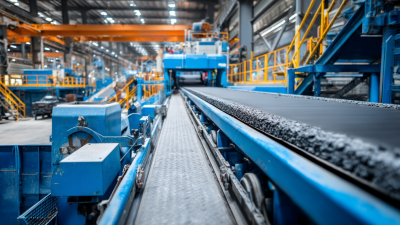
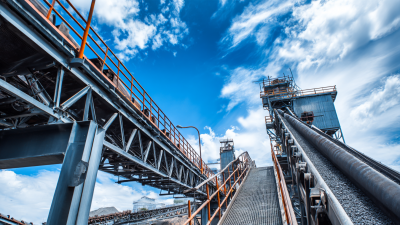
What is Conveyor Manufacturing and How Does It Work?
Conveyor manufacturing plays a crucial role in modern industries. It involves designing and building systems that transport materials efficiently. One expert in this field, Dr. Emily Carter, emphasizes, "Effective conveyor systems streamline processes and reduce operational costs." Her insights illustrate the importance of innovation in this sector.
In recent years, conveyor manufacturing has evolved significantly. Advanced technologies have improved speed and reliability. Companies must adapt to meet growing demands. However, some manufacturers struggle with outdated practices. They may overlook new methods that enhance productivity. Identifying and addressing these weaknesses is vital for success.
Understanding the basics of conveyor systems is essential. These systems are not just metal and motors; they are complex solutions tailored to specific needs. Each component must work harmoniously. The intricacies of conveyor manufacturing can lead to great advantages—if approached thoughtfully. Yet, there remains a need for critical evaluation in implementing these technologies. The balance of innovation and practicality is key.
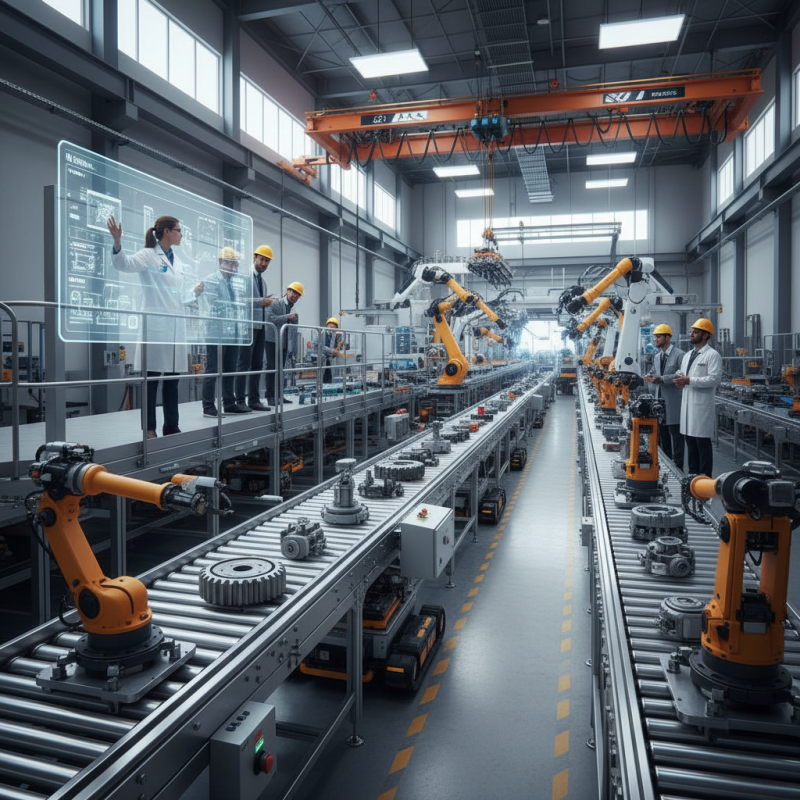
Understanding Conveyor Manufacturing: A Comprehensive Overview
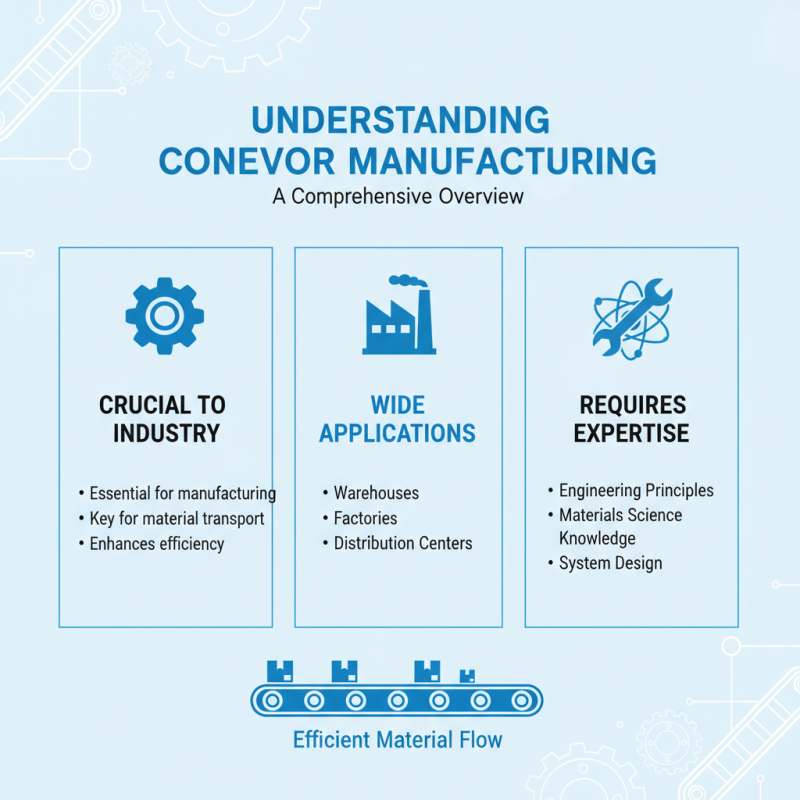
Conveyor manufacturing is a crucial part of modern industry. It focuses on creating systems that transport materials efficiently. Conveyor systems are used in warehouses, factories, and distribution centers. Understanding the specifics of conveyor manufacturing requires knowledge in engineering and materials science.
In the manufacturing process, various components are used. These include belts, pulleys, and frames. Skilled workers design and assemble these parts carefully. Quality control is vital. Each component must meet stringent standards. However, challenges arise. Sometimes, materials may not perform as expected. This can lead to inefficiencies.
Customization is another key aspect of conveyor manufacturing. Different industries have unique needs. For instance, food processing requires sanitary materials. In contrast, heavy industries may need more durable options. Manufacturers must remain flexible to adapt. Despite the expertise involved, some systems may still fail under certain conditions. Continuous improvement is essential in this field. Testing new designs helps in finding better solutions.
Key Components of Conveyor Systems and Their Functions
Conveyor systems are vital in various industries, facilitating the movement and handling of materials. Understanding their key components helps optimize efficiency. The main elements include belts, rollers, motors, and control systems. According to a report from Allied Market Research, the global conveyor systems market was valued at over $7 billion in 2019 and is projected to grow significantly in the coming years. This growth indicates the rising demand for efficient material handling solutions.
The conveyor belt, often made of rubber or synthetic materials, serves as the core component. It supports the load and moves materials from one point to another. Rollers reduce friction and allow for smoother movement. Motors provide the necessary power to drive the system. Businesses should regularly analyze their components for wear and tear, as this can impact system performance.
Control systems are crucial, allowing operators to monitor the conveyor's operation. These systems can range from simple switches to complex computerized setups. But, integrating new technologies can also pose challenges. Training staff to handle advanced systems is essential. As the industry evolves, companies must adapt and reflect on their operational practices to ensure continued success.
Key Components of Conveyor Systems and Their Functions
The Manufacturing Process of Conveyors: Step by Step
The manufacturing process of conveyors involves several essential steps. It begins with careful design and material selection. Engineers assess the specific requirements for the conveyor, including load capacity and operating environment. This stage is crucial; improper design can lead to failure. Once the design is confirmed, raw materials are sourced, typically metal, plastic, or rubber.
After materials are acquired, fabrication commences. Cutting machines and welding tools shape the components needed for assembly. Precision is key, as even minor errors can impact functionality. Following fabrication, assembly takes place. Skilled workers carefully piece together the conveyor systems, ensuring that everything aligns correctly.
Next, quality control measures are implemented. Every assembled unit undergoes rigorous testing to check for durability and performance. Feedback from this phase often leads to design reiterations or process adjustments. It's important to reflect on these findings to enhance future manufacturing efficiency. Continuous improvement is vital in this industry, making reflection an integral part of the process.
Types of Conveyors and Their Industrial Applications
Conveyor systems are essential in various industries, enhancing efficiency and productivity. Different types of conveyors serve specific applications. Common types include belt, roller, overhead, and spiral conveyors. Each type is designed for unique functions, enabling seamless material handling.
Belt conveyors are widely used in food processing and packaging industries. They are efficient for transporting bulk materials. According to the Conveyor Equipment Manufacturers Association (CEMA), the global conveyor market is expected to grow by 4.8% annually. This growth highlights the increasing reliance on conveyors in manufacturing and logistics.
Roller conveyors, on the other hand, offer flexibility for movement. They are often found in warehouses and distribution centers. Industries benefit from their easy integration and adaptability for various product types. Overhead conveyors maximize floor space by utilizing vertical areas, suitable for automotive assembly lines. However, challenges in maintenance and initial setup costs should be considered. Each type of conveyor has its advantages and limitations, which require careful evaluation to meet specific operational needs.
Maintenance and Safety Considerations in Conveyor Manufacturing
Maintenance and safety are critical in conveyor manufacturing. According to a report by the U.S. Bureau of Labor Statistics, conveyor-related accidents lead to over 50,000 injuries annually. These incidents often stem from equipment malfunctions or operator errors. Regular inspections can significantly reduce these risks. For instance, checking for wear and tear on belts, pulleys, and electrical components is vital.
Implementing a preventive maintenance program is essential. Studies show that companies focusing on preventive strategies can decrease unplanned downtime by up to 30%. This practice enhances both safety and productivity. Furthermore, worker training plays a pivotal role. Understanding the proper handling of equipment often minimizes human error. Regular safety drills should not be overlooked; they prepare workers for unexpected situations.
Safety regulations must not be ignored. Organizations should adhere to OSHA standards. Compliance ensures a safer workplace and reduces liabilities. However, some companies may lag behind in updating their safety measures. This negligence can have serious repercussions. A culture of safety must be cultivated to protect workers and improve operational efficiency.