What are the Key Factors in Conveyor Manufacturing Success?
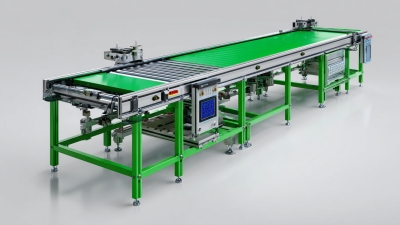
In the competitive landscape of conveyor manufacturing, success hinges on multiple critical factors. This industry requires more than just machinery; it demands a blend of innovation, quality, and customer service. Manufacturers must adapt to evolving technologies and market demands to stay relevant.
Expertise in materials and design principles is essential. A reliable conveyor system enhances efficiency and reduces downtime. Specialized knowledge allows manufacturers to tailor solutions to specific industries, such as automotive or food processing. However, not all manufacturers thrive. Some struggle to meet the unique needs of their clients.
Establishing strong supplier relationships is also a key factor. Reliable sourcing ensures consistent quality in production. Yet, some manufacturers overlook this fundamental aspect. Reflecting on these challenges can lead to stronger strategies and improved operational processes in conveyor manufacturing.
Understanding the Importance of Quality Materials in Conveyor Manufacturing
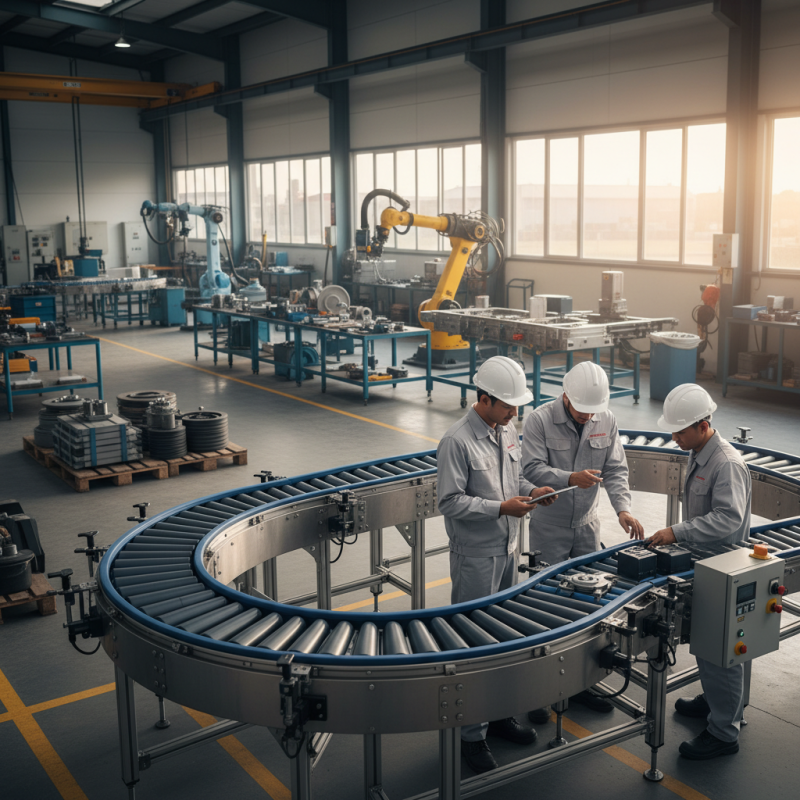
In conveyor manufacturing, the selection of quality materials is crucial. High-quality components lead to enhanced durability and reliability. For example, using robust steel can withstand heavy loads and resist wear. Conversely, inferior materials may reduce the lifespan of the conveyor systems. This results in costly repairs and downtimes.
It’s important to consider the specific application of the conveyor. Materials should match the environmental conditions, such as humidity or temperature. For instance, stainless steel is ideal for food processing due to its corrosion resistance. On the other hand, plastic components may be effective for light loads but lack strength in demanding scenarios.
Manufacturers sometimes overlook the significance of sourcing. Cheap materials might save costs initially but lead to long-term issues. A reflective approach is needed to balance quality and budget. Ultimately, investing in quality materials can enhance performance and customer satisfaction over time.
Key Factors in Conveyor Manufacturing Success
The Role of Precision Engineering in Conveyor System Performance
Precision engineering plays a crucial role in conveyor system performance. Accurate design and manufacturing enhance the reliability of conveyor systems. Well-engineered components minimize wear and tear, leading to extended service life. It is essential to pay attention to tolerances and materials used. A slight deviation can lead to inefficiencies.
Tips: Always choose high-quality materials. They ensure better durability. Regularly assess the system's performance to identify areas for improvement.
Moreover, precision in assembly improves the overall functionality. Even minor misalignments can cause significant operational delays. Quality control processes should be strict and thorough. Small errors can compound over time, affecting the entire conveyor system.
Tips: Implement routine checks and maintenance. Catching issues early can save time and resources. Document changes and their impacts for future reference. This practice fosters a culture of continuous improvement.
Effective Testing and Quality Assurance Practices in Manufacturing
Effective testing and quality assurance are crucial in conveyor manufacturing. These practices ensure that the products meet the rigorous demands of various industries. Quality assurance helps identify weaknesses early in the production process. This proactive approach reduces costly rework and enhances customer satisfaction.
Tips for effective quality assurance: Develop a standardized testing procedure. Regularly calibrate testing equipment to maintain accuracy. Train staff on best practices in quality control. These steps help establish a reliable framework for consistent product quality.
In addition, incorporating real-time monitoring systems can provide valuable data on machine performance. This data can lead to immediate adjustments and improved efficiency. Manufacturers often overlook the importance of employee feedback in the testing phase. Engaging workers can reveal insights and overlooked issues. Regular reviews of testing methods foster a culture of continuous improvement.
Enhancing Customer Support and Service in Conveyor Production
In conveyor manufacturing, customer support is a game changer. A strong focus on service builds trust. When clients feel valued, they are likely to return. Good support can mean quick responses to inquiries. It also involves understanding customer needs in-depth.
Training staff is vital. Employees should know the product well. This ensures they can answer questions effectively. However, some may struggle with product knowledge. Continuous education can help bridge this gap. Regular training sessions can enhance skills. This agility in knowledge reflects well on customer satisfaction.
Feedback mechanisms are essential. They allow manufacturers to understand client experiences. While many companies seek feedback, not all act on it. Genuinely using this information can lead to improvements. This guides production decisions and can refine support services. Such adjustments can be instrumental in staying competitive. Embracing a customer-first mindset shows commitment to quality service.
What are the Key Factors in Conveyor Manufacturing Success?
| Factor |
Description |
Importance Level |
Customer Feedback Rating |
| Quality Control |
Ensuring that all products meet stringent quality standards. |
High |
4.8/5 |
| Customer Support |
Providing timely assistance and solutions to customer issues. |
Very High |
4.7/5 |
| Innovation in Design |
Developing new and efficient conveyor designs to meet varying needs. |
High |
4.6/5 |
| Customization Options |
Ability to tailor solutions based on unique customer requirements. |
Medium |
4.5/5 |
| After-Sales Service |
Ongoing support post-purchase, including repairs and maintenance. |
High |
4.9/5 |