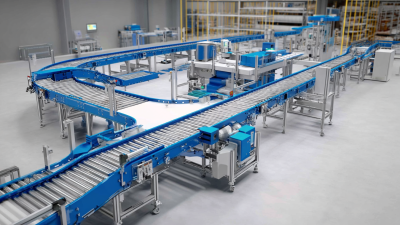
What is Tire Conveyor and Storage Line Benefits for Global Buyers?
In the rapidly evolving world of logistics, the "Tire Conveyor and Storage Line" has emerged as a vital component for businesses aiming to enhance efficiency. Industry expert John Smith, known for his insights into material handling, once stated, "Implementing an efficient storage line can redefine workflow in tire production." His words resonate with the increasing demand for streamlined processes.
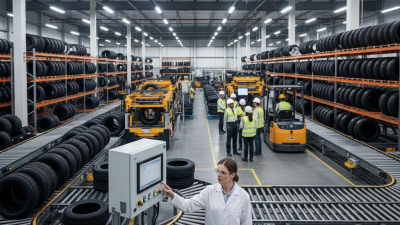
Tire Conveyor and Storage Lines not only improve space utilization but also reduce operational costs. These systems facilitate the movement of tires through various stages of production and storage. By automating tedious tasks, they significantly lower labor costs and minimize errors. Companies utilizing these systems often experience quicker turnaround times and enhanced productivity.
Yet, challenges remain. Some businesses hesitate to adopt new technology due to concerns about initial investment costs. This hesitation can lead to missed opportunities in efficiency. The long-term benefits, however, often outweigh these concerns. Investing in a modern Tire Conveyor and Storage Line can lead to substantial returns, both financially and operationally. Understanding these dynamics is crucial for global buyers venturing into this sector.
Benefits of Tire Conveyor Systems for Efficient Logistics Operations
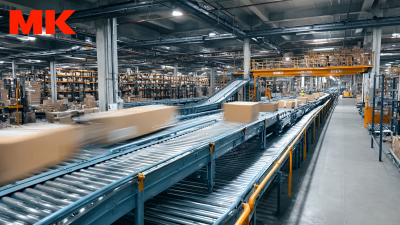
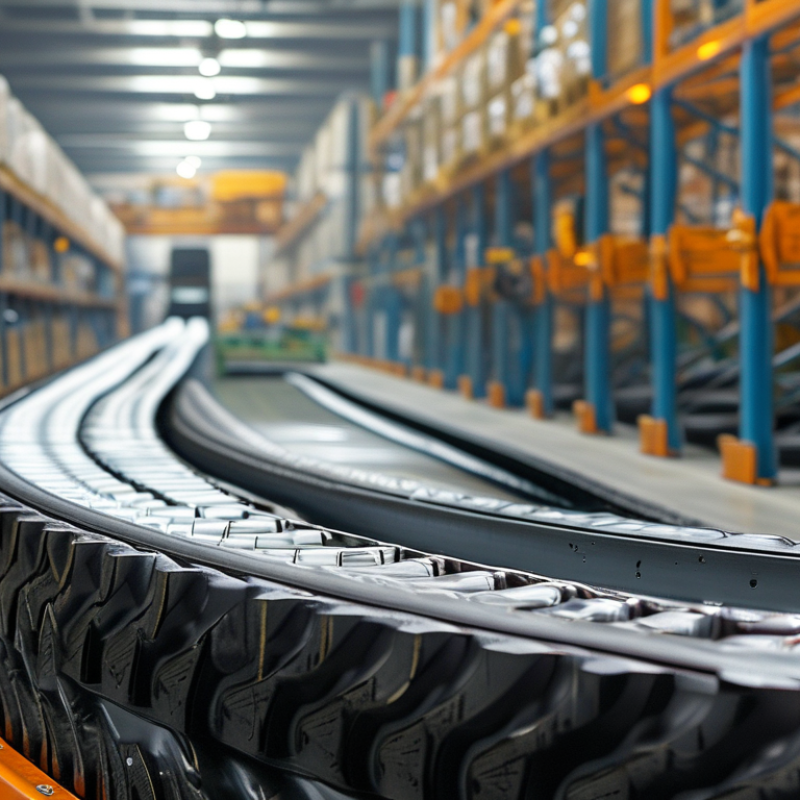
Tire conveyor systems play a crucial role in enhancing logistics operations. They streamline the movement of tires within warehouses, improving efficiency and reducing handling time. With automated processes, these systems minimize labor costs and human error. By ensuring that tires are transported safely and quickly, companies can meet growing demand without sacrificing quality.
Another significant advantage is space optimization. Tire conveyors are designed to utilize vertical space, allowing for more efficient storage solutions. This aspect is beneficial for businesses with limited floor area. Moreover, these systems can easily integrate with existing warehouse frameworks. However, maintaining these systems requires a commitment to regular checks and maintenance.
While tire conveyors offer many benefits, they are not without challenges. Initial setup costs can deter some businesses, and there is a learning curve for staff. Continuous training and adaptation are necessary for optimal usage. Nevertheless, the long-term advantages often outweigh these hurdles. This technology provides a reliable foundation for future growth in logistics operations.
Benefits of Tire Conveyor Systems for Efficient Logistics Operations
Key Features of Modern Tire Storage Solutions for Global Buyers
Modern tire storage solutions have become essential for efficiency in the logistics and manufacturing sectors. These systems optimize space and streamline operations, catering to the rising demand in the global market. A report from the International Tire Manufacturers Association (ITMA) indicates that better storage techniques can increase capacity utilization by up to 30%. This is significant, especially in industries where space is at a premium.
Key features of these modern systems include automated tire conveying technology and climate control measures. Automated systems reduce labor costs and human error, ensuring that tires are stored and retrieved efficiently. Moreover, maintaining optimal storage conditions helps prolong tire lifespan, reducing waste. Data from industry studies show that companies successfully implementing these solutions report a 20% decrease in tire degradation rates.
However, integrating these technologies is not without challenges. Initial investment costs can be high, and there may be a learning curve for staff. Some buyers express concerns over the adaptability of new systems to existing warehouses. Continuous improvement and adaptation are necessary for maximizing the benefits of tire storage solutions. Truly understanding these features can lead to smarter, more sustainable operations for global buyers.
What is Tire Conveyor and Storage Line Benefits for Global Buyers? - Key Features of Modern Tire Storage Solutions for Global Buyers
| Feature |
Description |
Benefit |
| Flexible Design |
Tire conveyors are customizable to fit different warehouse layouts and tire sizes. |
Enhances space utilization and performance efficiency in storage facilities. |
| Automated Systems |
Integration of automation technologies for efficiency. |
Reduces labor costs and increases throughput. |
| Environmental Efficiency |
Utilizes energy-efficient drives and materials. |
Lower operational costs and reduced carbon footprint. |
| Increased Safety |
Equipped with safety features like emergency stops and guards. |
Enhances worker safety and reduces accident risks. |
| Real-Time Monitoring |
Advanced sensors and IoT integration for monitoring. |
Provides insights for proactive maintenance and management. |
| Scalability |
Easily scalable systems that grow with business needs. |
Supports long-term business growth and flexibility. |
Cost-Effectiveness of Tire Conveyor and Storage Lines in Industry
Tire conveyor and storage lines offer notable cost-effectiveness in industrial applications. According to a report by the Material Handling Industry of America, automated systems can reduce labor costs by up to 30%. This significant reduction helps companies optimize their operations and streamline workforce management.
Efficiency is another key benefit. Automated tire conveyor systems can move large volumes of tires swiftly, improving overall productivity. Studies show that businesses utilizing these systems experience a 25% increase in throughput. This ensures timely delivery and inventory management, crucial for meeting market demands.
While the advantages are compelling, challenges remain. Initial investments for these systems can be substantial. Companies need to consider maintenance and operational training as ongoing costs. Balancing upfront expenses with long-term savings is essential for any buyer. The decision to implement these conveyor systems demands careful evaluation of both benefits and potential drawbacks.
Impact of Tire Conveyor Technology on Supply Chain Optimization
Tire conveyor technology plays a crucial role in supply chain optimization. This system improves efficiency by enabling precise material handling. It reduces the time required for transporting tires within production facilities. This is significant in a global market where speed is essential. With enhanced automation, companies can minimize manual labor risks and streamline operations.
However, it's important to recognize potential challenges. Implementing new technology may require upfront investment. Not all facilities are ready for immediate upgrades. Training staff to utilize new systems can take time and resources. Assessing the balance between cost and efficiency is essential.
Tips: Regularly review your conveyor system's performance. Small adjustments can lead to significant improvements. Also, consider feedback from operators. They often have insights that can enhance workflow. Explore maintenance practices to ensure longevity and reliability. This proactive approach secures better outcomes in the long run.
Global Market Trends: Adoption Rates of Tire Conveyor Systems Worldwide
The tire conveyor systems are gaining traction worldwide as industries seek efficient solutions. These systems streamline the movement and storage of tires, leading to significant operational improvements. As manufacturers strive to enhance productivity, tire conveyors have proven invaluable. They reduce the manual handling of tires, which can be cumbersome and lead to injuries.
Adoption rates vary by region. In Europe and North America, many firms are rapidly integrating these systems. The focus remains on enhancing automation and reducing labor costs. However, some businesses hesitate due to upfront costs and the complexity of integration. There’s a learning curve associated with these systems, often requiring staff training.
Emerging markets show potential, yet face unique challenges. Limited access to advanced technology can slow adoption. In some areas, traditional practices still dominate tire handling. Companies in these regions must evaluate potential gains versus costs carefully. Overall, tire conveyor systems represent a pivotal shift toward modernizing tire logistics globally.