Leave Your Message

Why Choose a Conveyor Machine for Your Business?

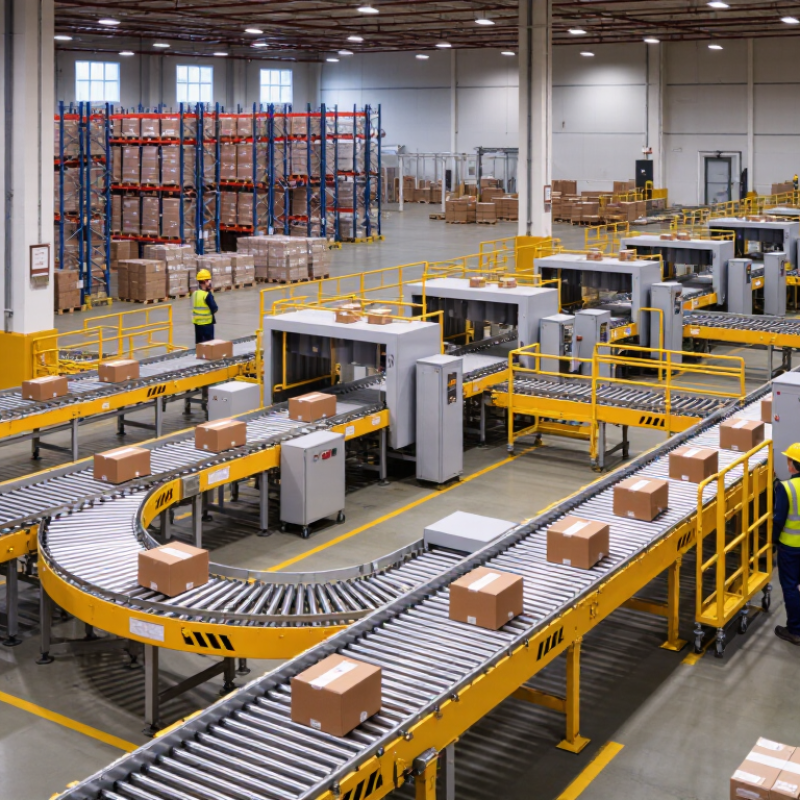
Choosing the right Conveyor Machine can reshape how products move through your business. In a busy warehouse, cartons often travel between storage, packing, inspection, and dispatch areas. A well-designed system reduces repeated lifting and keeps materials moving at a steady pace. This can improve workflow visibility and reduce avoidable handling delays. Small gains matter.

The real value appears in daily operations. Operators can monitor product flow instead of carrying every box by hand. Managers can review throughput, maintenance records, energy use, and workplace conditions. These details support practical decisions, not attractive promises. A reliable Conveyor Machine should match your product weight, dimensions, speed requirements, and available floor space. Fit matters. Not always.

Experienced equipment specialists also examine belt materials, motor performance, guarding, cleaning access, and emergency controls. They should explain installation needs and provide clear maintenance guidance. Documented testing helps verify consistent operation before full production begins. Recognized safety requirements must guide the design, training, and inspection process.

However, automation does not solve every problem. A conveyor sized for peak demand may waste space and energy during quieter periods. A cheaper model may create higher service costs later. Even advanced equipment depends on careful loading, routine checks, and trained employees. This is where planning can become imperfect. Assumptions should be tested against real operating conditions.

The strongest investment begins with measurable goals and honest site information. Speak with qualified suppliers, request relevant references, and compare total ownership costs. When selected carefully, a Conveyor Machine can provide safer movement, steadier output, and room for sustainable growth.
Why Choose a Conveyor Machine for Your Business?

What Is a Conveyor Machine?

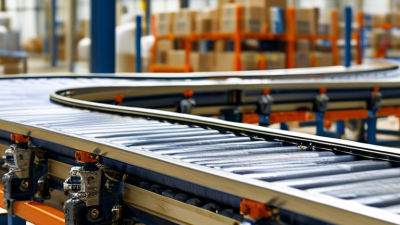
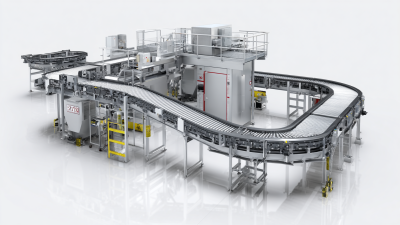
A conveyor machine is a powered system that moves materials between work areas. It usually includes a belt, rollers, a frame, a motor, and control components. Unlike manual carrying, it keeps products moving along a planned route. This can reduce walking, lifting, and waiting during repetitive tasks. Some systems handle cartons, parcels, food containers, or assembly parts. The surface and speed must match the material. That detail matters.

In a small packing area, boxes may enter at one end and reach a sealing station several meters away. Sensors can detect gaps, while adjustable controls help manage the flow. Workers can then focus on inspection, labeling, or packing instead of constant movement. This arrangement may improve consistency and reduce physical strain. However, a conveyor is not a magic solution. Poor spacing can create jams. Excessive speed can also increase mistakes. Good planning takes time.

Choosing a conveyor machine starts with measuring product size, weight, distance, and daily volume. Ask whether the frame allows cleaning, maintenance, and future changes. Technical documents should clearly state load limits, motor details, emergency stops, and guarding requirements. Qualified installation is important because alignment errors can cause noise and uneven wear. I would not choose equipment based only on speed. A slower, accessible system may serve the workplace better. That is easy to overlook.
How Conveyor Machines Work in Business Operations

Why Choose a Conveyor Machine for Your Business?

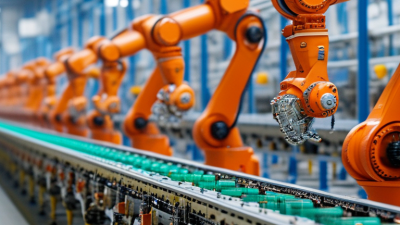
Conveyor machines move materials through business operations with controlled, repeatable motion. A motor turns pulleys, which drive a belt or rollers. Sensors detect products and guide their movement between workstations. A control system can pause the line when an item reaches a packing point. This reduces unnecessary lifting and keeps production areas more organized.

In my experience, conveyors work best when their speed matches the team’s real workflow. A line that moves too quickly can create errors, damaged packages, or stressful bottlenecks. A slower setting may feel inefficient, but it often improves accuracy. Operators can monitor product spacing, remove defective items, and respond to interruptions. Regular checks also matter. Dust, loose components, and poor alignment can increase noise and energy use. Small problems grow.

Tips:

Measure the available floor space before installation. Choose a conveyor length that supports your process, not an impressive layout. Place emergency stops where workers can reach them quickly. Record belt tension, motor temperature, and unusual sounds during inspections. Training should include safe start-up, shutdown, and cleaning procedures. Do not assume automation removes every risk. It changes the type of attention required.

Key Benefits of Using a Conveyor Machine

Why Choose a Conveyor Machine for Your Business?

A conveyor machine can make material movement faster, steadier, and easier to measure. Workers spend less time carrying cartons across the floor. They can focus on inspection, packing, or problem-solving instead. The MHI 2024 Annual Industry Report found that 41% of surveyed supply-chain professionals currently use robotics and automation. This suggests that automated movement is becoming a practical business tool, not merely a future concept. Conveyor systems also support repeatable flow between receiving, storage, production, and dispatch areas. Properly selected equipment can reduce unnecessary walking and improve workplace organization.

The benefits depend on thoughtful design. A practical line assessment should examine product weight, belt speed, transfer points, cleaning needs, and emergency access. A poorly positioned conveyor can create congestion instead of removing it. That is an uncomfortable but important lesson. The International Federation of Robotics reported 541,302 industrial robot installations worldwide in 2023, showing stronger interest in automated operations. Still, a conveyor is not a complete labor solution. It needs trained operators, scheduled inspections, guarding, and clear maintenance procedures. Energy use and downtime also deserve attention before purchase.

Tips: Measure your busiest hour, not an average shift. Leave space around controls and walkways. Test fragile products with real packaging. Record stoppages for several weeks. Then adjust speed, layout, or staffing based on evidence rather than assumptions.

Why Choose a Conveyor Machine for Your Business? - Key Benefits of Using a Conveyor Machine

Business Dimension Key Benefit How a Conveyor Machine Helps Relevant Performance Indicator Best-Fit Applications
Material Movement Continuous product flow Moves materials between workstations at a steady pace, reducing unnecessary walking and manual carrying. Transfer time, throughput, distance traveled by operators Warehousing, manufacturing, order fulfillment, and packaging lines
Labor Productivity More efficient use of labor Allows employees to focus on inspection, assembly, picking, packing, or other value-added tasks instead of repeated transport work. Units processed per labor hour and handling tasks per shift High-volume operations with repetitive internal transport
Workplace Safety Reduced manual handling Limits lifting, carrying, pushing, and pulling activities when the conveyor is correctly designed and operated. Manual lifts per shift, ergonomic risk observations, and handling-related incidents Operations that move heavy, bulky, or frequently handled goods
Space Utilization Better use of production and storage space Can be configured as a straight, curved, inclined, overhead, or multi-level system to match the available layout. Floor area used, travel distance, and storage-to-workstation distance Facilities with long travel routes or limited floor space
Process Consistency Predictable movement and sequencing Provides a defined route and controlled flow, helping standardize how materials reach each process stage. Cycle-time variation, queue time, and process adherence Assembly, sorting, inspection, and staged production processes
Scalability Adaptable capacity Modular conveyor sections can often be extended, reconfigured, or integrated with additional equipment as operational needs change. Capacity increase, expansion time, and equipment utilization Growing businesses and facilities with changing product volumes
Product Protection Controlled product handling Provides a consistent transport path that can reduce unnecessary manual contact and avoid some handling-related damage. Damage rate, rework rate, and product returns caused by handling Packaged goods, electronics, food products, and fragile items
Inventory Visibility Improved process tracking Can be combined with sensors, barcode readers, weighing equipment, or control systems to record movement through key points. Scan accuracy, location accuracy, and order status visibility Distribution centers, fulfillment operations, and traceable production
Operating Cost Potential reduction in recurring handling costs Efficient transport may reduce avoidable movement and support more consistent staffing and workflow planning. Cost per unit moved, labor hours per unit, and energy consumption Stable, repetitive material-flow routes with regular demand
Maintenance Planning Structured inspection and servicing Routine checks of belts, rollers, bearings, motors, guards, and emergency-stop devices help support reliable operation. Unplanned downtime, mean time between failures, and maintenance completion rate Facilities that require dependable daily operation
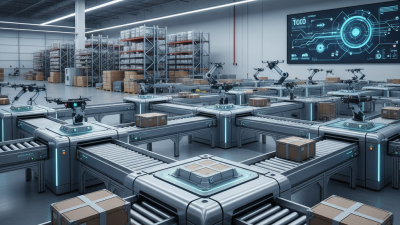
Automation Integration Compatible with automated workflows Can connect with sensors, scanners, sorters, robotic systems, programmable controls, and warehouse management processes. Automated handling percentage, scan rate, and system uptime Smart warehouses, automated packaging, and connected production lines
Environmental Efficiency Potentially lower energy use than some mobile transport methods For fixed routes, an appropriately sized conveyor can provide continuous movement without repeated vehicle travel. Energy consumed per unit moved and vehicle trips avoided Fixed-route transport within warehouses and production facilities

Types of Conveyor Machines for Different Business Needs

Choosing a conveyor machine can improve material flow, reduce manual lifting, and create a more consistent work rhythm. The best choice depends on product shape, weight, surface, and production speed.

Belt conveyors suit packaged goods, cartons, vegetables, and bakery items. Their continuous surface supports small products that might fall between rollers.

Roller conveyors work well in warehouses and shipping areas, especially for boxes with flat bases. Gravity models need little power. Powered rollers handle heavier loads with better control.

Cleated belt conveyors move products upward without frequent sliding. They are useful in food processing, agriculture, and packaging lines.

Screw conveyors transport powders, grains, and semi-liquid materials through enclosed tubes. Their design can reduce dust exposure, but cleaning may take longer than expected.

Overhead conveyors save floor space in garment, painting, and assembly operations.

Experience shows that capacity figures alone can mislead.

A conveyor rated for one load may struggle with uneven weight distribution. Product testing should include real containers, speed changes, and emergency stops.

Small details matter. For example, a rough belt can bruise soft produce, while a smooth belt may allow wet packages to slip.

Sanitary applications need accessible surfaces, suitable materials, and documented cleaning procedures.

Warehouses require guarding, safe access points, and clear maintenance records.

I have seen efficient systems lose time because operators could not reach a blocked section safely.

Energy use, spare parts, noise, and future expansion also deserve attention before installation.

Factors to Consider Before Choosing a Conveyor Machine

Why Choose a Conveyor Machine for Your Business?

Choosing a conveyor machine can improve material flow, reduce manual handling, and create a more consistent workplace. However, the right choice depends on your actual operation, not a sales brochure. Examine the product weight, surface, size, and required movement speed. A fragile package needs different support from a heavy metal part. The conveyor length, incline, turning radius, and available floor space also matter. Measure the site carefully. Small errors can cause expensive redesigns.

Tips: Record daily production volume and peak loads before comparing machines. Check motor efficiency, noise levels, guarding, emergency stops, and cleaning access. Ask for maintenance schedules, spare-part availability, and documented performance data. A low purchase price may hide higher energy or repair costs.

Control systems deserve close attention. Simple operations may need basic speed adjustment, while complex lines require sensors and accurate synchronization. Confirm that workers can reach controls safely and inspect moving parts without awkward positions. Consult a qualified engineer when loads, elevations, or automated interfaces create uncertainty. In practical installations, neglected maintenance access often becomes the weakest point. It is easy to overlook. Test a sample product if possible, because packaging can shift, rub, or fall during transfer. No calculation replaces a realistic trial. Recheck the plan after observing actual workflow, since efficient movement on paper may feel inconvenient on the factory floor.