How to Optimize Conveyor System Design for Maximum Efficiency?
In the fast-paced world of logistics and manufacturing, maximizing efficiency is essential. Expert Danielle Clarke, a renowned figure in Conveyor System Design, emphasizes, "Effective design can revolutionize productivity." This statement highlights the critical role of thoughtful design in achieving operational excellence.
Conveyor systems are integral to many industries. Yet, many designs miss opportunities for improvement. Identifying bottlenecks and inefficiencies is crucial. An optimized conveyor system not only speeds up processes but also reduces costs in the long run. Understanding the layout, speed, and load capacity is vital for enhancing performance.
However, many designs overlook these elements. This oversight can lead to wasted resources and time. Reflecting on current designs and their effectiveness is necessary. Continuous improvement should be the mindset. In the end, a well-designed conveyor system should adapt to changing demands while maintaining efficiency.
Understanding Conveyor System Fundamentals and Components
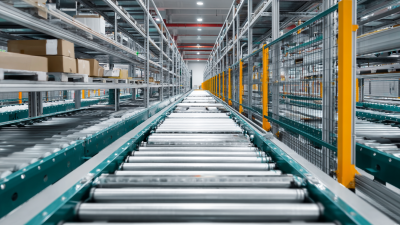
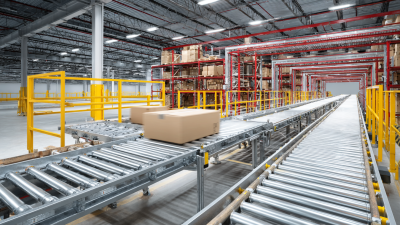
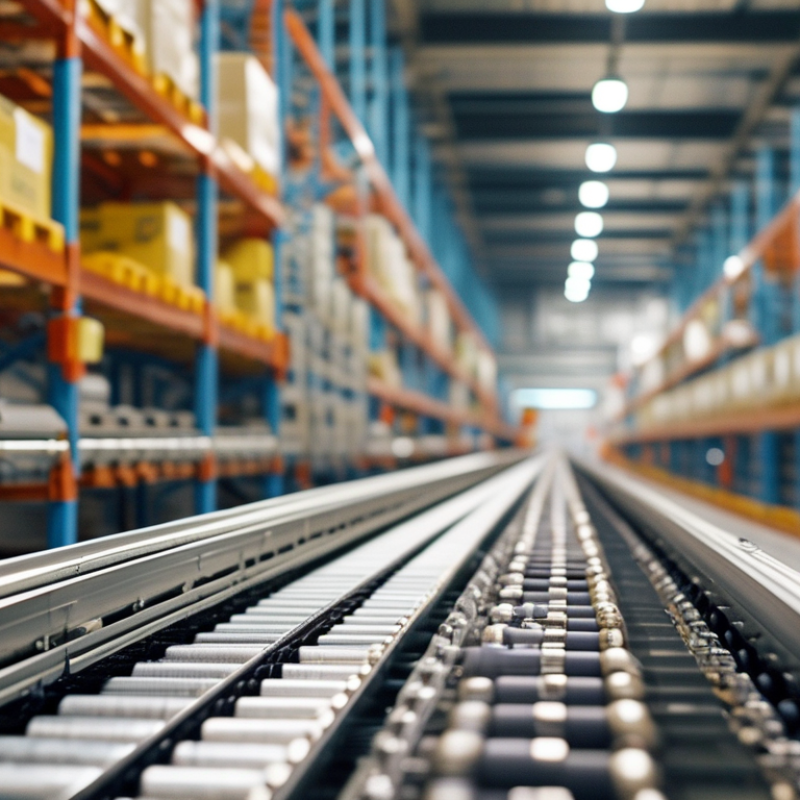
Conveyor systems are essential in various industries. Understanding their fundamentals is crucial for optimizing efficiency. Key components of these systems include belts, rollers, and drive systems. Each component plays a significant role in the overall performance of the system.
Effective design hinges on material selection and configuration. For instance, choosing the right belt material can impact friction and wear. Studies indicate that up to 30% of energy losses can occur due to inefficient belt designs. Additionally, the arrangement of rollers can affect load distribution and operational speed. Misaligned rollers often lead to increased wear and unexpected downtime. This reveals that attention to detail is vital.
Noise reduction is another area needing focus. Many facilities report that excessive noise from conveyors can exceed 85 decibels. This isn't just a comfort issue; it can affect worker productivity and safety. Regular maintenance checks can mitigate these problems. However, simply implementing routine inspections without addressing underlying design issues may not yield the desired improvements. Exploring innovative designs can lead to better long-term performance and worker satisfaction.
Identifying Key Performance Metrics for Conveyor Efficiency
Identifying key performance metrics is essential for optimizing conveyor system efficiency. Metrics such as
throughput,
energy consumption, and
downtime provide valuable insights. The Conveyor Equipment
Manufacturers Association (CEMA) outlines that optimizing these factors can lead to a
20-30% increase in efficiency. Regular monitoring allows for adjustments based on real-time data.
Tips: Conduct a monthly review of
throughput data. Identify bottlenecks in the system frequently. This can enhance your operational flow.
Energy efficiency is another crucial metric. A study by the U.S. Department of Energy indicates that conveyor
systems account for 30% of facility energy use.
Implementing variable frequency drives can reduce energy consumption by
20% or more. It's worth assessing your current energy strategies.
Tips: Track energy usage weekly.
Compare it against production output. Data discrepancies may highlight inefficiencies needing attention.
Lastly, analyze maintenance downtime. The average conveyor downtime can impact productivity significantly.
The Uptime Institute reports that even short, unplanned downtimes can cost companies thousands.
Fine-tuning maintenance schedules can help mitigate this issue.
Tips: Prioritize preventive
maintenance. Set reminders for regular inspections to avoid unexpected breakdowns. Stay proactive in
managing your conveyor's health.
Design Principles to Enhance Conveyor System Performance
Optimizing the design principles of a conveyor system is essential for enhancing performance. A well-designed conveyor can improve efficiency by up to 30%, as reported by industry studies. Efficiency is not just about speed; it involves the right combination of design elements. Key principles include the selection of proper materials and dimensions. This helps minimize wear and reduces energy consumption.
Consider the angle of incline in your design. A steeper incline may seem beneficial, but it can lead to more product slippage and increased energy usage. Research indicates that a 10-degree incline can increase energy consumption by 15%. Regular assessments of system performance are vital. Monitor metrics such as energy usage and throughput regularly to identify inefficiencies. Without such reflections, potential improvements may go unnoticed.
Integration of automation into the conveyor design can boost performance significantly. Automated systems can adjust speeds based on real-time data, ensuring optimal flow. However, deploying automation without adequate training can lead to operational errors. Industry data suggests that companies can enhance their throughput by 25% with proper automation, but only if the workforce adapts effectively. Balancing technology and human expertise is crucial for achieving the best results.
Integrating Technology for Smart Conveyor Solutions
Integrating technology into conveyor systems transforms efficiency and effectiveness. Smart conveyor solutions use sensors and data analytics to track performance in real-time. These advancements offer actionable insights that can significantly enhance operations.
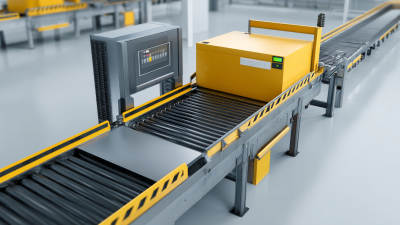
Automation plays a critical role. For instance, automated sorting systems can adapt to changing inventory demands. They analyze product sizes and weights, ensuring seamless transitions. However, the implementation may face challenges. System compatibility, staff training, and software updates often require careful consideration.
Moreover, the use of IoT devices facilitates remote monitoring. This connectivity provides operators with valuable information about their conveyor health. Predictive maintenance reduces downtime. Yet, it’s vital to evaluate the data accuracy. Relying on flawed data can lead to misinformed decisions. Innovation is essential, but it must be balanced with practical execution and constant reassessment.
Regular Maintenance Practices to Ensure Optimal Functionality
Regular maintenance practices are crucial for ensuring the optimal functionality of conveyor systems. These systems play a key role in production efficiency. A well-maintained conveyor minimizes downtime and enhances performance. Inspecting components frequently is essential. Check belts, motors, and rollers for wear and tear. Regular lubrication of moving parts can also prevent unnecessary friction and damage.
Use a monitoring system to track performance trends. This can help identify potential issues early. Noticing unusual noise or vibrations is vital. Sometimes it's easy to overlook these signs. Document maintenance activities to create a reliable history. This practice can help in troubleshooting and planning future upgrades.
Training staff on effective maintenance techniques is necessary. Employees must understand the importance of these routines. Engaging in routine care fosters a culture of accountability. Make sure to review maintenance schedules periodically. It’s important to adapt them as necessary. Not all systems are the same. Flexibility in practices can lead to better efficiency and reliability.
How to Optimize Conveyor System Design for Maximum Efficiency? - Regular Maintenance Practices to Ensure Optimal Functionality
| Maintenance Activity |
Frequency |
Time Required (hrs) |
Impact on Efficiency (%) |
Notes |
| Belt Alignment Check |
Monthly |
1 |
10 |
Adjusting belt can prevent wear and enhance performance. |
| Lubrication of Rollers |
Weekly |
0.5 |
15 |
Ensures smooth operation and reduces wear. |
| Inspection of Safety Guards |
Quarterly |
2 |
20 |
Critical for employee safety and compliance. |
| Cleaning of Conveyor System |
Daily |
1 |
5 |
Prevents material buildup that can hinder efficiency. |
| Replacement of Worn Parts |
As Needed |
Varies |
25 |
Essential for maintaining overall system performance. |